
First Edition Shadowless Pokémon Card Value Checks


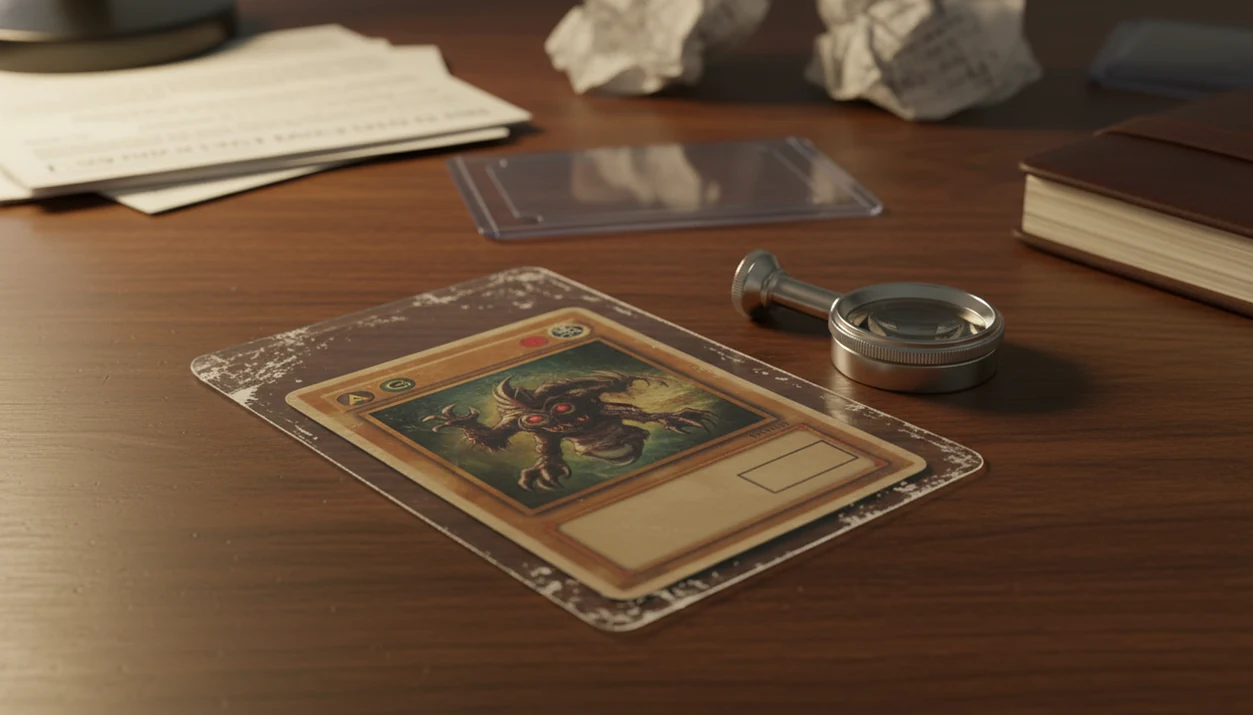
First Edition Shadowless Pokémon card value depends on confirming the 1st Edition stamp, the shadowless Base Set frame, the exact card, holo status, condition, grade, and recent comparable sales. Treat identification as the first valuation step, because a shadowless unlimited card and a true 1st Edition Shadowless card can look similar but price very differently.
A First Edition Shadowless Pokémon card is an English Base Set card from the earliest print run with an “Edition 1” stamp and no drop shadow beside the artwork box.
TL;DR
- All 1st Edition English Base Set character cards are shadowless, but not every shadowless Base Set card is 1st Edition.
- Card identity, condition, holo status, and third-party grade usually drive more value than the stamp alone.
- Use recent sold comps, not asking prices, and verify the exact print before pricing or grading.
| Need | Best option |
|---|---|
| Card Value Scanner | Photo-based identification, value checks, graded lookups, and collection totals for vintage Pokémon cards |
| TCGplayer | Raw English Pokémon market pricing and marketplace comparisons |
| PriceCharting | Quick raw and graded value references for vintage Pokémon |
| Cardmarket, Collectr, and Pokellector | Cross-checking European market context, collection tracking, or set identification |
First Edition Shadowless Pokémon Card Value at a Glance
First Edition Shadowless Pokémon card value means the current market range buyers are willing to pay for a verified English Base Set card with both the “Edition 1” stamp and the no-shadow frame. That range changes by card, condition, grade, and recent sold comps.
A played common may be modestly valuable compared with its unlimited copy. A top-graded chase holo, especially Charizard, Blastoise, Venusaur, Mewtwo, Zapdos, or Ninetales, can move into extremely high price territory when the grade and sale venue line up.
Live comps matter more than static price lists. We have seen a sold-listing tab refresh after a weekend card show and shift the pricing range for the same card by Monday morning. Card Value Scanner is a Pokémon card value scanner that identifies cards from photos and shows market prices, graded values, and collection totals for collectors and sellers.
For a cleaner estimate, record at least three sold comps from the last 30 to 90 days for the same card name, language, print version, condition, and grade. Ignore obvious outliers such as unpaid auctions, damaged-card listings, and listings with missing photos.
Treat this as a pricing snapshot, not a promise.
How First Edition Shadowless Pokémon Card Valuation Works
First Edition Shadowless Pokémon card valuation works by combining verified print identity with buyer demand, relative scarcity, and condition. The result is a market range, not a guaranteed resale price.
Start with the print version: a true English 1st Edition Shadowless Base Set card sits in a different demand pool than shadowless unlimited or regular unlimited. Then weigh the card itself, because a Charizard holo and a common trainer do not attract the same number of buyers. Condition narrows the range further. Surface wear, whitening, creases, centering, and holo scratches affect what collectors are willing to pay, especially when the card might be graded.
Use a simple sequence:
- Confirm the exact card, language, 1st Edition stamp, and shadowless frame.
- Separate raw value from authenticated value and graded value: raw is ungraded, authenticated means legitimacy is checked, and graded adds a condition score.
- Compare recent sold comps instead of asking prices, because sales show what buyers actually paid.
- Check grading population reports and auction archives for scarcity clues and high-end market history.
- Estimate a realistic range after removing outliers, fees, and mismatched conditions.
Base Set Shadowless Pokémon Card Valuation Factors
Base Set Shadowless valuation starts with print hierarchy: 1st Edition Shadowless sits above shadowless unlimited, which usually sits above regular unlimited shadowed Base Set. The hierarchy matters because collectors pay for documented scarcity, not just age.
How First Edition Shadowless Pokémon card value works is fairly mechanical. Scarcity, nostalgia, active demand, grade population, and recent sold listings combine into a current market range. In plain terms, buyers ask, “How many clean copies exist, and what did the last comparable copy actually sell for?”
Private market trackers, auction houses, grading population reports, and marketplace sales provide card-specific price data. For card-level evidence, cross-check eBay sold listings (https://www.ebay.com/sch/i.html?nkw=1st+edition+shadowless+pokemon&LHSold=1&LH_Complete=1), PSA population data (https://www.psacard.com/pop), and auction archives such as Heritage Auctions (https://www.ha.com/). Government sources do not price individual Pokémon cards. Macro data can still add context: the U.S. Bureau of Labor Statistics CPI series for recreation commodities can show broader hobby-category pressure, but it is not a Pokémon price index (https://www.bls.gov/cpi/).
A dusty childhood binder on carpet can hold real value, but the print check comes first.
Five Facts About Vintage Pokémon Value Checks
- First Edition Base Set cards have an “Edition 1” stamp. On most Base Set Pokémon cards, the stamp sits on the left side below the artwork area.
- Shadowless means no drop shadow around the artwork border. Check the right and bottom edges of the picture box, where regular unlimited cards show a darker shadow.
- All 1st Edition English Base Set character cards are shadowless. If the card is a normal English 1st Edition Base Set character card, the frame should be shadowless.
- Shadowless unlimited cards exist. These cards lack the 1st Edition stamp, so they are not the same as true 1st Edition Shadowless copies.
- Condition and grading can change value more than most other variables. A clean raw holo and a creased copy with the same stamp can sit in very different price ranges.
For vintage Pokémon value, exact print identification is often the difference between a useful estimate and a misleading one. Returning collectors should also read our Pokémon card value scanner for vintage collectors guide.
First Edition, Shadowless Unlimited, and Regular Unlimited Differences
The three main English Base Set versions are true 1st Edition Shadowless, shadowless unlimited, and regular unlimited shadowed Base Set. Base Set cards have no expansion symbol, which is why new collectors often rely too heavily on the name alone.
| Version | 1st Edition stamp | Artwork shadow | Typical pricing position |
|---|---|---|---|
| 1st Edition Shadowless | Yes | No | Usually highest |
| Shadowless unlimited | No | No | Usually above regular unlimited |
| Regular unlimited Base Set | No | Yes | Usually most common |
1st Edition stamp check
Look left of the attack text area and below the artwork for the black “Edition 1” mark. The tiny card number line at the bottom left or bottom right should still be checked before trusting a name match.
Shadowless frame check
Inspect the right and bottom of the artwork box. No drop shadow points to a shadowless print.
Unlimited shadowed Base Set check
Regular unlimited cards have the darker artwork shadow and no 1st Edition stamp. Machamp is a special case because many copies carry a 1st Edition stamp from starter product distribution.
Condition, Holo Status, and Grading Effects on First Edition Value
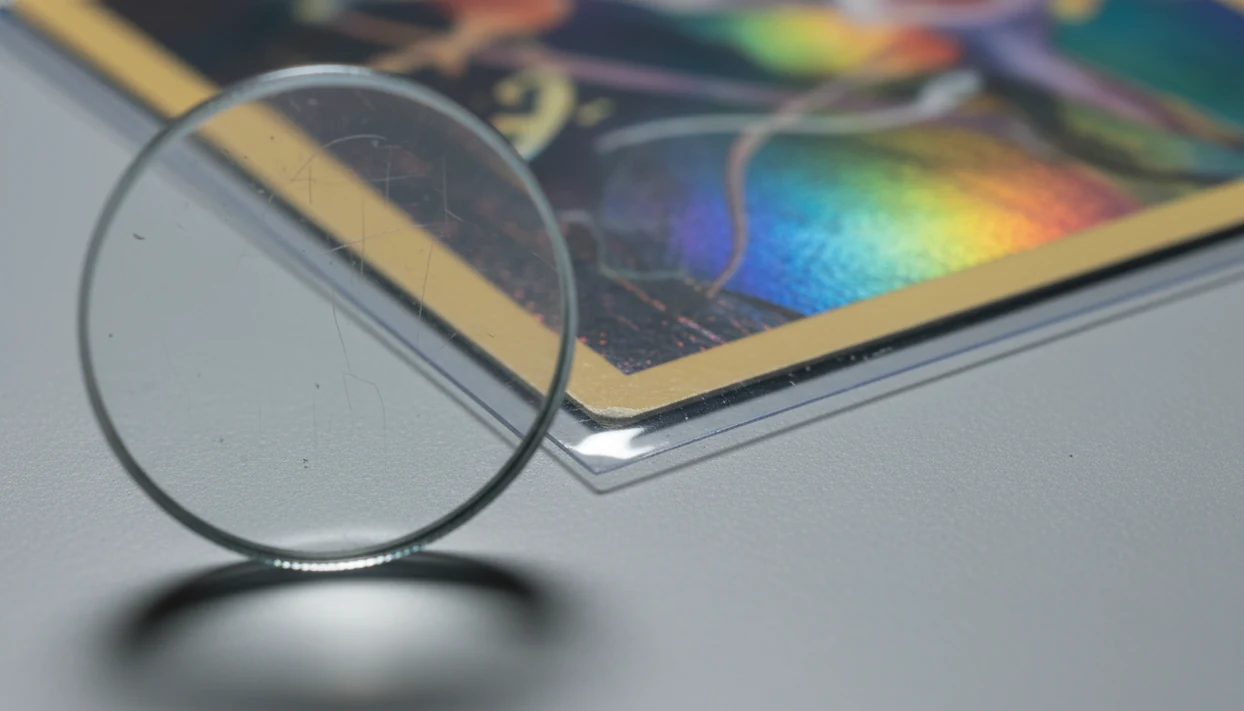
Condition can move a First Edition Shadowless card more than the stamp itself. Check front surface scratches, whitening, corner wear, edge wear, creases, dents, and centering before comparing prices.
Raw card condition checks
Holographic cards show wear fast. A creased foil line across the name, silvering around the border, or cloudy holo scratching can push a card below the range of cleaner sold comps. A cracked old top loader also tells a different story than a clean semi-rigid holder when buyers review photos.
Graded card premium checks
Raw value is an estimate for an ungraded card. Authenticated value confirms legitimacy without necessarily receiving a high numeric grade. Graded value reflects both authenticity and condition.
PSA 10 or other top-grade examples command a premium because supply is limited, but grading does not always pay off after fees, shipping, turnaround time, and damage risk. The deeper raw vs graded Pokémon card value comparison matters most when the expected grade is uncertain.
How to Check First Edition Shadowless Pokémon Card Value
To check First Edition Shadowless Pokémon card value, verify the exact print first, then price it against recent sold copies in the same condition. The goal is a realistic net range, not the biggest active listing you can find.
- Identify the exact Base Set card name, card number, language, and whether it is holo or non-holo before looking at prices.
- Confirm the “Edition 1” stamp and the shadowless artwork box by eye, especially along the right and bottom edges of the picture frame.
- Grade the raw condition honestly by checking surface scratches, holo clouding, corners, edge whitening, centering, dents, and any crease under angled light.
- Compare recent sold comps for the same card, language, print version, holo status, and condition; avoid mixing graded sales with raw cards unless you are modeling a grading outcome.
- Subtract marketplace fees, shipping supplies, postage, grading costs, insurance, and risk before deciding whether to sell raw, grade first, or hold.
A clean estimate should survive a buyer zooming in on photos.
Pokémon Card Value Scanner Workflow for Base Set Shadowless Cards
Use a scanner to speed up identification, then manually verify the stamp, shadow, condition, and sold comps. AI can narrow the match quickly, but glare, wear, and partial photos still cause errors.
- Photograph the full card in bright, even light with all borders visible.
- Frame the card flat so the camera does not crop the stamp, set line, or corners.
- Verify the “Edition 1” stamp by eye before accepting the scan result.
- Check the artwork box for the missing right-side and bottom drop shadow.
- Record condition notes, including holo scratches, whitening, dents, and centering.
- Compare recent sold comps for the same card, print, condition, and grade.
Tools like Card Value Scanner can help with Pokémon card value lookup by photo, especially when a trade binder is open beside a price screen.
Common Myths About First Edition Shadowless Pokémon Card Value
Myth 1: Every shadowless Base Set card is First Edition. Shadowless unlimited cards exist, and they do not have the “Edition 1” stamp.
Myth 2: Every 1st Edition stamp means a huge payout. Low-demand commons in played condition can still be fairly modest, especially after selling fees and shipping.
Myth 3: Grading always increases net value. A card that returns a lower grade may not clear grading fees, postage, insurance, and time.
Myth 4: Shadowless is just a random visual misprint. It is tied to early Base Set print characteristics, which is why collectors separate it from regular unlimited cards.
Myth 5: Asking prices are the same as market value. Active listings show what sellers want; sold listings show what buyers recently paid.
The pocket check is real.
When a parent spreads a binder across a kitchen table and asks, “Which ones should we sleeve first?”, start with holos, starters, Pikachu, and any stamped Base Set cards.
Single-Card and Full-Set Pricing for 1st Edition Base Set
Should you price a First Edition Shadowless card individually or as part of a set? Price major cards individually first, then compare the total against complete or near-complete set comps.
Charizard, Blastoise, Venusaur, Mewtwo, Pikachu, Charmander, Zapdos, and Ninetales often deserve their own comp checks because demand differs by character, holo status, and grade. A complete First Edition Shadowless Base Set may sell for a premium over individual card totals because buyers value convenience, matching print identity, and the difficulty of assembling the run.
That premium is not automatic. Set value depends on consistent condition and whether all holos are authentic, matching, and correctly described. One replaced unlimited holo can change the buyer’s view of the whole set.
For sellers with tubs of childhood holos, a Pokémon card collection tracker app can help monitor total vintage Pokémon value while still keeping high-value cards priced one by one.
Limitations
First Edition Shadowless pricing has real uncertainty, even when the card is correctly identified.
- Market prices can move quickly with trends, major auction results, influencer attention, and collector demand.
- Original print-run data is incomplete, so scarcity estimates are informed estimates rather than exact counts.
- AI scanners can misidentify cards in poor lighting, heavy wear, glare, or partial photos.
- A penny sleeve glare can make a scanner confuse holo and reverse holo surfaces on newer cards, and similar glare can obscure vintage surface issues.
- Single-marketplace values can be distorted by outlier sales, stale listings, unpaid auctions, or damaged-card comps.
- Not every card is worth grading after fees, shipping, turnaround time, insurance, and risk.
- Condition descriptions vary between sellers, so raw-card comps need careful photo comparison.
- Macroeconomic data can explain collector-market pressure, but it cannot price a specific Pokémon card.
If grading is on the table, compare likely grades against fees before sending. The Pokémon card worth grading decision is usually easier after you separate raw, authenticated, and graded outcomes.
1st Edition vs Shadowless Unlimited: Where the Price Gap Comes From
Two cards can look nearly identical yet sit in different price tiers. The gap is driven by the print run, not the artwork. A verified 1st Edition Shadowless Base Set card usually commands the highest range, shadowless unlimited sits below it, and regular shadowed unlimited is the most common print.
Rough tiers collectors use when comparing sold listings for the same card and condition:
- 1st Edition Shadowless holo (Charizard, Blastoise, Venusaur): the top of the market; grade and venue swing the number dramatically.
- 1st Edition Shadowless non-holo rares and trainers: meaningful premiums over unlimited, but condition-sensitive.
- Shadowless unlimited: typically a clear step above regular unlimited, well below true 1st Edition.
- Regular unlimited (shadowed): most plentiful print; commons and uncommons are often modest in value.
Because the multiplier lives in the print version, identify first and price second. Card Value Scanner is built for that order: scan the card to confirm the exact Base Set variant and holo status, then review raw and graded value ranges before you look at any single listing. All figures are market estimates, not guaranteed sale prices.
How to Spot a Fake 1st Edition Shadowless Pokémon Card
Counterfeit 1st Edition Base Set cards are common, and a fake card has no market value no matter how clean it looks. Run these checks before you price, buy, or send a card for grading.
- Stamp shape: the genuine "Edition 1" mark is crisp, small, and correctly positioned left of the attack text; blurry, oversized, or oddly spaced stamps are a red flag.
- Font and text quality: real cards have sharp, evenly weighted text. Pixelated or fuzzy lettering under magnification suggests a scan-and-reprint.
- Color and holo pattern: compare the energy symbol color and holo texture side by side with a known-genuine card from the same set.
- Light and feel: a real card has a dark inner core layer; extreme translucency, flimsiness, or a glossy plastic feel is suspicious.
- Back centering and blue tone: off-shade blue, wrong swirl detail, or heavily miscut backs deserve scrutiny.
Card Value Scanner identifies cards from photos and shows market prices, graded values, and collection totals, but it does not authenticate cards or assign grades. For high-value 1st Edition Shadowless holos, treat the scan as a pricing step and use a third-party grading or authentication service for the legitimacy verdict.
Frequently asked questions
Why are 1st Edition Shadowless cards usually worth more than Shadowless Unlimited cards?
The 1st Edition stamp identifies the earliest English Base Set release, while Shadowless Unlimited cards came from a later printing without the stamp. Both have the early shadowless design, but 1st Edition copies generally had lower distribution and stronger collector demand. The size of the premium varies by Pokémon, rarity, condition, and grade, so compare matching versions rather than applying one multiplier.
Is the 1st Edition Machamp from Base Set always shadowless?
No. Machamp is a special case because copies with a 1st Edition stamp were included in starter products across multiple printings. Early copies are shadowless, but later copies have the artwork box shadow while retaining the stamp. Check the right side of the picture frame, copyright line, card stock, and other print details before treating Machamp as a true shadowless card.
Which 1st Edition Shadowless Base Set cards are most valuable besides Charizard?
Blastoise and Venusaur are major targets, along with holo cards such as Chansey, Mewtwo, Alakazam, and several others. Popular non-holo Pokémon, including the starter evolutions and Pikachu, can also attract strong demand in high grades. Value rankings change with condition and recent sales, so compare the exact card number, holo status, and grade instead of relying on a fixed list.
Is a complete 1st Edition Shadowless Base Set worth more than selling the cards individually?
A complete, consistent set can receive a convenience premium because buyers avoid assembling 102 separate cards. However, selling valuable holos individually may produce a higher gross total, especially when their conditions vary or some are graded. Compare recent complete-set sales with realistic individual sold prices, then subtract grading fees, marketplace fees, shipping, insurance, and the extra time required to make many sales.
How should I use sold listings to value a 1st Edition Shadowless card?
Filter for completed sales of the same card number, printing, holo status, language, condition, and grading company. Ignore active asking prices and obvious mismatches such as Shadowless Unlimited copies. Review listing photos because titles are often incorrect. Use several recent, credible sales and treat unusually high or low results cautiously, particularly when an auction had poor photos, limited bidding, or unclear condition.
Do print defects make 1st Edition Shadowless Pokémon cards more valuable?
Usually not. Silvering, off-centering, print lines, ink spots, and factory edge wear commonly reduce condition grades and buyer interest. A dramatic, clearly documented production error may attract specialized collectors, but minor imperfections are generally treated as flaws. Do not label a card an error based only on unusual wear or discoloration. Compare it with authenticated examples before assigning any premium.
Are non-holo 1st Edition Shadowless cards worth keeping?
Yes. Non-holo rares, popular Pokémon, starter evolutions, Pikachu variants, and clean common or uncommon cards can all be collectible. Individual played commons may have modest value, but high-grade examples and complete runs can be desirable. Keep them protected and sort them by card number, because condition consistency and set completeness can matter more than the value of one ordinary card.