
Pokémon Card Scanner Success Stories and Realistic Workflows
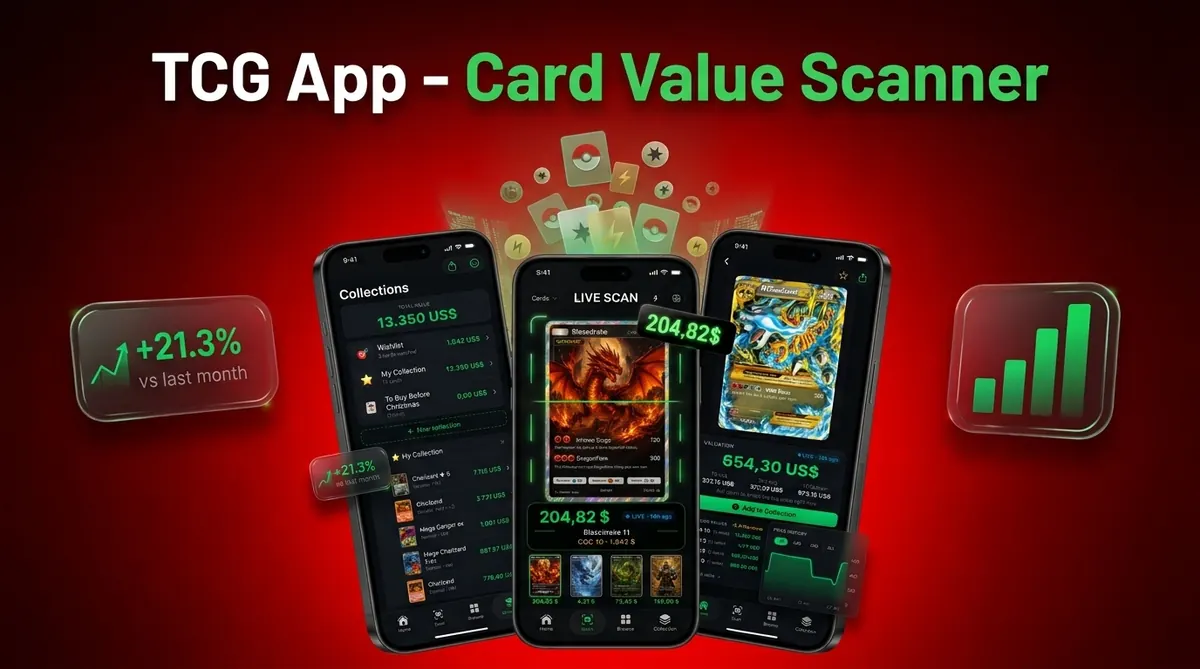
Pokémon card scanner success stories are most useful when they show realistic workflows: identifying cards faster, checking current market ranges, separating standout cards, and tracking a collection over time. They should not be read as guaranteed prices or profit claims because condition, variant, grading, and market timing can change results.
> CardValueScanner is a Pokémon card value scanner that identifies cards from photos and shows market prices, graded values, and collection totals for collectors and sellers.
- The best scanner results stories are usually about saving time and reducing manual lookup errors, not instant jackpots.
- Collection value examples are only estimates until card condition, variant, language, and recent sales are verified.
- A strong workflow combines clean photos, set-number checks, raw-versus-graded comparisons, and ongoing collection tracking.
Card Value Scanner (cardvaluescanner.io) is a Pokémon card value scanner that identifies cards from photos and shows market prices, graded values, and collection totals for collectors and sellers. This page explains Pokémon card scanner success stories through realistic collection examples where photo identification, condition review, and market-price checks help users separate ordinary cards from cards worth researching further.
Across real collection workflows, the biggest scanner wins usually come from speed and organization rather than a single dramatic price reveal. A scanner can help a parent, collector, or seller identify cards faster, group duplicates, compare raw and graded values, and decide which cards deserve closer condition checks. The most reliable success stories still include human review: verifying the exact printing, checking holo or reverse-holo details, confirming recent sold comps, and adjusting expectations for wear, centering, and surface damage.
| Need | Best option |
|---|---|
| Card Value Scanner | Collectors, parents, and sellers who want photo-based identification plus collection value tracking |
| TCGplayer | Checking U.S. raw card market pricing and marketplace context |
| PriceCharting | Comparing raw and graded historical price trends |
| Collectr, Pokellector, and Cardmarket | Collection tracking, set browsing, and international price context |
Recommended default for scanner success stories
Best for
- Collectors identifying cards from photos
- Sellers comparing raw and graded values
- Collection owners tracking a running total
Limitations
- Price estimates are informational and not financial advice or sale guarantees.
- Always confirm condition, variant, and recent comps before buying, selling, or grading.
How Pokémon Card Scanner Success Stories Work in Real Collections
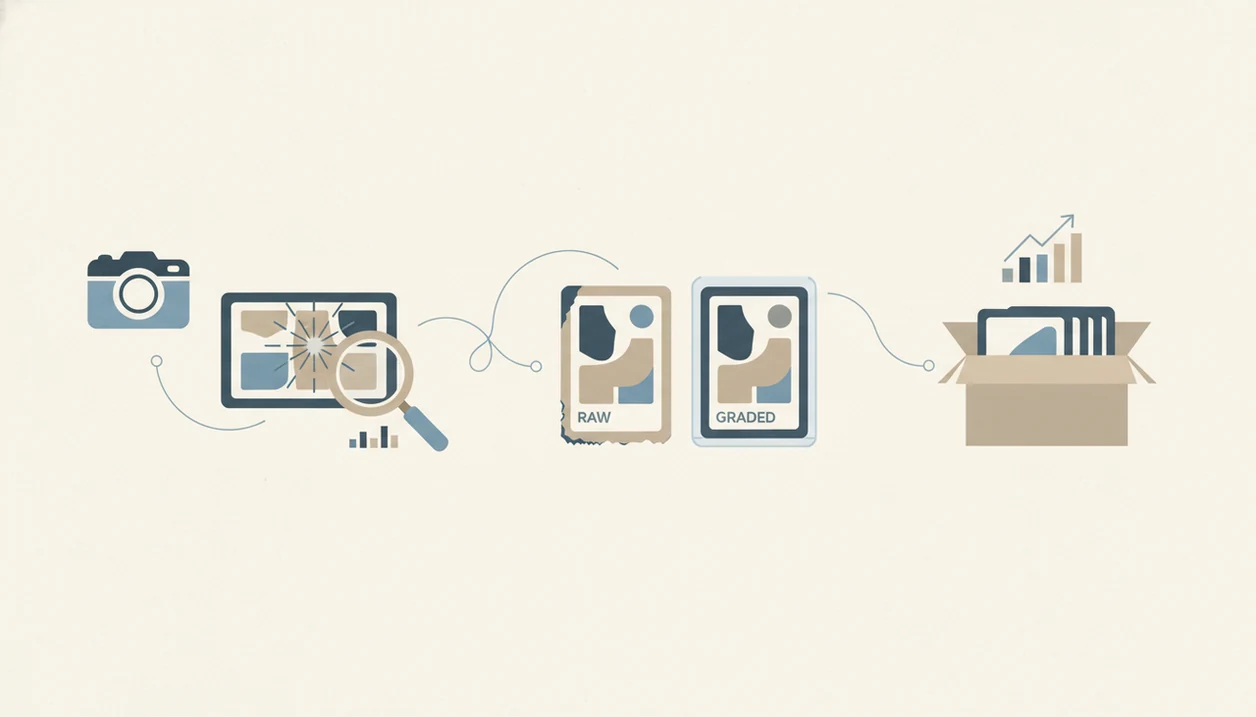
A realistic scanner success story is a workflow improvement, not a dramatic price reveal. Success usually means faster identification, cleaner organization, fewer name-match mistakes, and a current market range that can be checked against recent sales.
The data flow is simple: capture a photo, run AI recognition, match the card, look up market prices, compare raw versus graded values, then update the collection total. Image recognition works best with clear, well-lit, in-distribution photos. A penny sleeve glare can still make a scanner confuse holo and reverse holo surfaces.
CardValueScanner is a Pokémon card value scanner that identifies cards from photos and shows market prices, graded values, and collection totals for collectors and sellers. Tools like CardValueScanner help with speed, but the tiny card number line at the bottom still deserves a human check.
Five Facts Behind Realistic Scanner Results Stories
- A card value scanner app uses AI image recognition and live market data to reduce manual searches across card names, sets, and variants.
- Most scanner results stories involve finding a few better cards inside a larger ordinary collection, not turning every binder page into resale inventory.
- Scanner prices are estimates based on current sales or listings, not final sale prices that a buyer must accept.
- Damaged, foreign-language, miscut, reflective holo, proxy, rare promo, and misprint cards need manual checks before anyone trusts the value.
- The long-term value is collection tracking, grading decisions, trade fairness, and resale planning.
CardValueScanner card value scanner app for pokémon tcg, with AI identification, live market prices, graded values, and collection tracking, delivers faster pricing snapshots, not certified appraisals or guaranteed resale outcomes. For collectors, scanner results usually work best as a first sorting pass because card identity can be checked faster than typing every name by hand.
How to Use a Pokémon Card Scanner for Collection Value Examples
Use a scanner workflow like a pricing checklist, not a one-tap answer. The goal is a condition-adjusted estimate with a source timestamp, plus a clear list of cards that need closer review.
- Set cards on a flat, plain background with bright side lighting and minimal shadows.
- Remove sleeve glare when possible, especially on holo, reverse holo, and textured cards.
- Scan in batches by binder page, box row, or seller inventory group so duplicates are easier to spot.
- Verify the set number, rarity, variant, language, authenticity, and condition before accepting the displayed value.
- Save confirmed cards to a tracker, then review raw versus graded prices before grading or listing decisions.
A scanner beep in a quiet room is useful feedback, but it is not verification. The full photo and matching process is easier to judge with a clear Pokémon card scanner accuracy methodology.
Childhood Binder Scanner Results Story: Sorting Bulk From Standouts
Maya found an old childhood binder at home and started scanning it page by page. The first pass was not about finding a huge card. It was about removing glare, matching the right set, and turning a messy binder into a usable inventory.
She checked the card number after each name match, flagged duplicates, and separated damaged cards with corner whitening or binder dents. Most cards were common or moderately priced. A few holos deserved closer condition review under angled light, where small scratches showed up fast.
That part matters. A scanner estimate is not a final resale value when surface wear, edge damage, or print-line issues are visible. For an old binder, the win is often knowing which cards belong in bulk, which should be sleeved, and which need a slower raw versus graded comparison.
Parent Collection Value Example: Checking Kids’ Pokémon Cards Before Trading
Daniel helped his child scan a shoebox of cards before a weekend trade at a local shop. They made four piles: keep, trade, sleeve, and verify. The system was simple enough that the child could help, but structured enough to avoid guessing.
A parent spreading a binder across a kitchen table often asks, “Which ones should we sleeve first?” A scanner can answer that with approximate value ranges, then the parent can check condition and variant before any trade happens.
Scanner results help compare a shiny card against a stack of lower-value cards before schoolyard or shop trades. Still, sentimental cards can matter more than the displayed price. A creased favorite starter may not sell for much, but it might be the card the child actually wants to keep.
Seller Scanner Workflow Story: Raw Prices, Graded Values, and Listing Decisions
Jordan scanned inventory before listing cards online, then split the results into selling actions rather than celebrating a total. Scanner totals helped decide which cards deserved new photos, clean sleeves, grading consideration, or bulk-lot grouping.
| Decision area | What Jordan checked | Why it mattered |
|---|---|---|
| Raw market price | Recent sold listings and active ranges | Sets a realistic listing range |
| Graded value | PSA, BGS, and CGC comparison | Shows whether grading might be worth reviewing |
| Fees and shipping | Marketplace fees, postage, supplies | Reduces surprise costs |
| Taxes | Local reporting obligations | Keeps sale planning realistic |
| Condition risk | Whitening, scratches, dents | Prevents overpricing a weak copy |
For grading context, compare scanner estimates with published grading standards from PSA (https://www.psacard.com/resources/gradingstandards), Beckett/BGS (https://www.beckett.com/grading/scale), and CGC Cards (https://www.cgccards.com/card-grading/grading-scale/), because each company evaluates condition differently.
Sold listings open beside a scanner tell a different story than active asking prices. For sellers, scanner results usually work best as prioritization tools because actual sale prices vary by venue, buyer demand, recent comps, and card condition. The scanner app vs professional grading distinction matters most on higher-value cards.
Common Patterns in Pokémon Card Scanner Success Stories
Scanner stories repeat because the same collection problems repeat. People want faster lookup, fewer variant mistakes, and a way to understand resale value before trading or selling. Collector behavior is easier to verify through marketplace data than broad hobby surveys, so scanner workflows should be checked against sold-listing tools such as eBay sold items (https://www.ebay.com/help/selling/listings/listing-tips/finding-sold-items?id=4655) and market-price definitions such as TCGplayer Market Price (https://help.tcgplayer.com/hc/en-us/articles/201307577-What-does-Market-Price-mean).
- Time saved: Scanning reduces manual searches when a box has hundreds of mixed cards.
- Variant correction: The app may flag that a card is reverse holo, promo, alternate art, or from a different set.
- Standout-card discovery: A few cards often move into a sleeve-first pile after price review.
- Duplicate cleanup: Batch scanning makes extra copies easier to count and group.
- Value tracking: Saved scans create a pricing snapshot that can be reviewed later.
Mobile price comparison is normal consumer behavior now, and resale research is part of that habit. For card collectors, that habit becomes comps sorted by recent sales.
Evidence Behind Scanner Result Examples
Scanner result examples are strongest when they are tied to recent completed sales, verified card identity, and realistic condition checks. The displayed total is an estimate for sorting and planning, not a certified appraisal.
Sold listings matter more than active asking prices because an asking price only shows what a seller hopes to get. A completed sale shows what a buyer actually paid, which is why scanner workflows should lean on sources like source and market definitions such as source. Condition still sets the ceiling: PSA, BGS, and CGC grading standards all treat centering, corners, edges, surface wear, and dents as limits on higher grades.
- Check the card name against the set number, not just the artwork.
- Compare the scanner value with recent sold listings before trusting the range.
- Inspect corners, edges, foil scratches, dents, and print lines under angled light.
- Confirm set numbers through official Pokémon resources or trusted card databases.
- Treat the final scanner total as a working estimate until grading, authentication, or buyer payment proves it.
What Scanner Results Stories Do Not Prove About Pokémon Card Prices
Do Pokémon card scanner success stories prove a card will sell for the scanned price? No. One scanner story does not prove future resale price, grading result, or repeatable profit.
Raw and graded values can differ sharply because grading adds third-party condition judgment, authentication review, and slab-specific buyer demand. A raw card with tiny foil scratches may scan near a strong market range, but a professional grade could land lower than expected. Refreshing a sold-listing tab after a weekend card show can also change the picture.
Scanner prices are not always correct to the dollar. Low sales volume, active-listing inflation, taxes, shipping, venue fees, and sudden demand shifts all affect the final outcome. If authenticity is part of the concern, the question of can app detect fake Pokémon cards needs separate treatment.
Limitations
Scanner stories are useful, but they have hard limits. Treat each result as a pricing snapshot, not a promise.
- Damaged cards can scan correctly by name while still being worth much less than a clean copy.
- Foreign-language cards may match the wrong market if language and region are not checked.
- Reflective holo, reverse holo, and textured cards can misread because glare hides surface details.
- Miscut, proxy, misprint, and rare promo cards often need manual research beyond normal lookup.
- External market data can lag, especially when marketplace formats or fee structures change.
- Low sales volume makes price ranges less stable and less representative.
- Consumer scanners cannot reliably assign professional grades from photos.
- Hype outcomes are not repeatable, especially after viral posts or new graded sales.
- Venue fees, taxes, shipping costs, and returns can reduce seller proceeds.
- Collection-data privacy matters when photos, scan history, or portfolio totals are stored; review Pokémon card scanner privacy before uploading a large inventory.
Read more
Which Scanned Cards Deserve a Closer Look
In most scanner success stories, the turning point is not the total value on screen : it is spotting the handful of cards that justify slower, manual review. After a batch scan, pull anything that matches the signals below and verify it before trading, listing, or sending it for grading.
- Estimate above your review threshold - many collectors use roughly $20–$25 as the line where manual comp checks are worth the time.
- Holo, reverse holo, or textured rares - glare and similar artwork are the most common sources of variant mismatches.
- Promos, stamped, or first-edition style printings - small symbols and set-number lines change value far more than artwork does.
- Non-English cards - Japanese and other language printings often price differently from the English match.
- Clean-looking vintage - sharp corners and centered art on older cards are what make raw-versus-graded comparison worthwhile.
Card Value Scanner (cardvaluescanner.io) speeds up this triage by identifying cards from photos and showing market prices, graded values, and a running collection total. The estimate is a starting range from current market data, not an appraisal, and scanning does not authenticate or grade a card.
Pokémon Card Scanner vs Manual Lookup: What Changes
The most repeatable win in these stories is time. Typing card names, guessing at sets, and cross-checking sold listings by hand takes minutes per card; photo identification plus a saved collection entry compresses that into a batch task you can do a binder page at a time.
Manual lookup still wins on judgment. A human eye catches whitening, creases, print lines, and centering that a phone photo can flatten out, and sold comps read in context beat any single displayed number.
- Best for speed and organization: photo scanning with collection totals, such as Card Value Scanner.
- Best for final pricing decisions: recent sold listings on the venue you actually plan to sell through.
- Best for high-value cards: professional grading from PSA, BGS, or CGC, a scanner cannot assign a grade or confirm authenticity.
Practical version: scan to sort, verify to price, grade to protect. Success stories that skip the middle step are the ones that end in overpriced listings.
FAQ
How accurate are Pokémon card scanner results?
Accuracy depends on photo quality, card type, variant recognition, and market-data freshness. Clear photos and manual set-number checks improve results.
Can a Pokémon card scanner find valuable cards in a binder?
A scanner can flag potentially valuable cards in a binder, especially when it identifies exact set and variant matches. It cannot guarantee final resale value.
Can a scanner judge the condition of a Pokémon card?
Most consumer scanners cannot reliably assign professional-grade condition. Human inspection or professional grading is still needed for high-value cards.
Why do Pokémon card scanner prices change over time?
Prices change because recent sales, active listings, demand, supply, and marketplace updates change. A displayed value is a source timestamp, not a fixed price.
Why are graded Pokémon card values different from raw card values?
Graded values reflect the slab grade, grading company, condition, and buyer demand for certified copies. Raw cards carry more condition uncertainty.
Can Pokémon card scanners misread holo or reverse holo cards?
Yes, glare, texture, reflections, and similar artwork can cause holo or reverse holo recognition errors. Users should verify the variant manually.
Should parents scan kids’ Pokémon cards before trades?
Scanning can help parents understand approximate values before trades. Condition, sentimental value, and the child’s preferences should still guide decisions.
Are Pokémon card scanner success stories typical for most collections?
Scanner success stories are examples, not promises. Most users mainly gain better organization, clearer estimates, and faster sorting.
What is a realistic result from scanning an old Pokémon binder?
The typical result is a sorted binder rather than a jackpot: most cards land in bulk or low-value ranges, a handful of holos and rares come back with estimates worth verifying, and a few cards get pulled for condition review. Collectors who report standout finds usually had vintage, first-edition-style, or clean holo cards already in the binder. Scanner estimates reflect current market data at the time of the scan, so they change over time and are not guaranteed sale prices.
Is a Pokémon card scanner worth it for a bulk collection?
Yes, if your main problem is volume. Scanning a few hundred cards with photo identification is far faster than manual name-and-set lookups, and a running collection total makes it easier to see where value is concentrated. Card Value Scanner (cardvaluescanner.io) is designed for that workflow - photo ID, market prices, graded values, and collection totals. For final pricing on higher-value cards, still check recent sold listings and consider professional grading, since scanning is not authentication or condition grading.
Start your own Pokémon card scanner story
Use Card Value Scanner to identify cards from photos, organize your collection, and estimate values before trading, grading, or selling. Download the Pokémon card scanner app to begin scanning your binder or bulk stack today.